
Blog
SAFETY IN PRACTICE
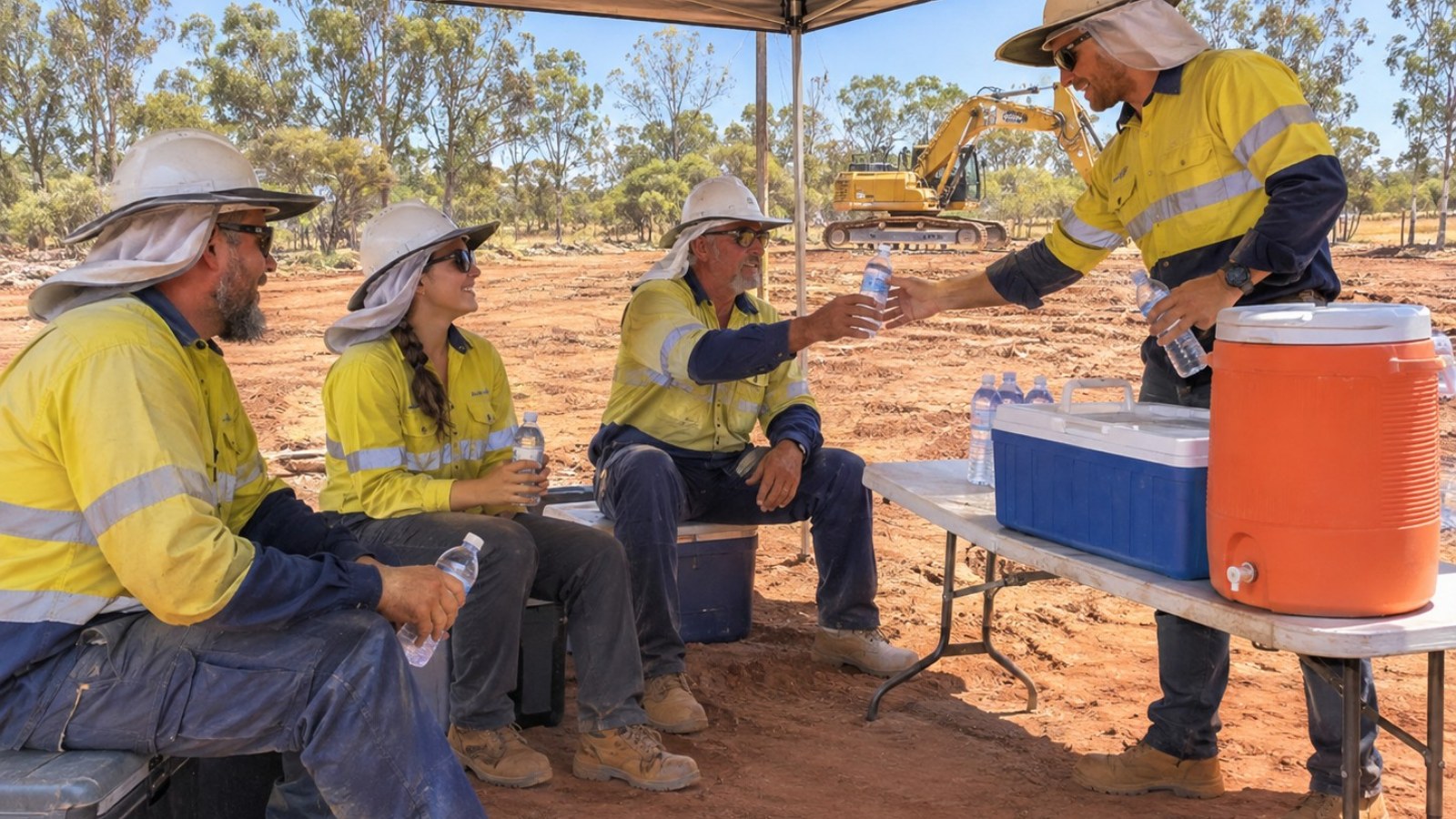
Heat Rules Are Coming. Your Duty Is Already Here.
Safe Work Australia is planning national rules on extreme heat, but there is still no stop-work temperature. Queensland businesses already have a duty to manage heat. Here is what has changed and seven checks to make before summer.

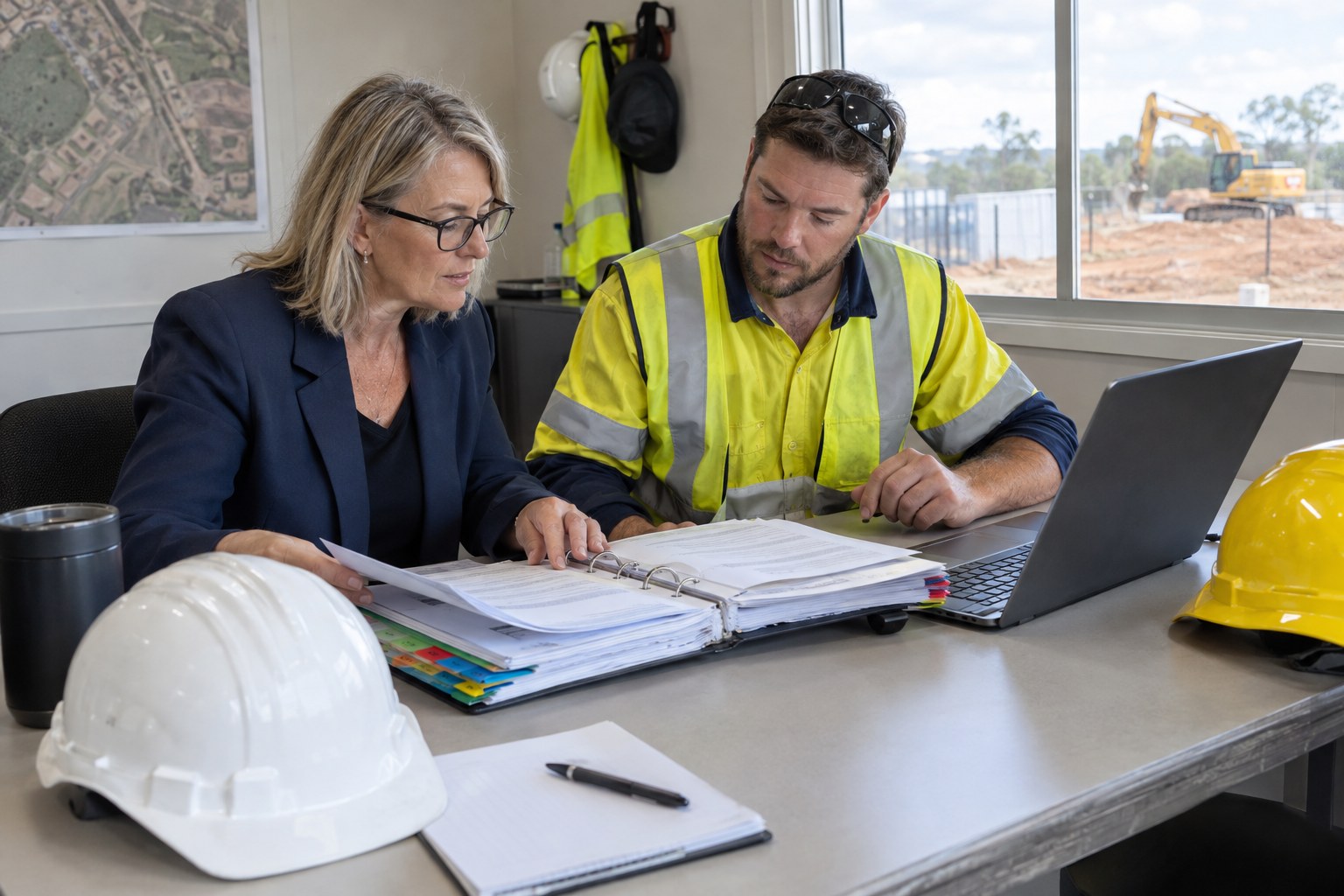
The WHS Law Review Is Not Law Yet. It Still Matters.
Safe Work Australia's review of the model WHS laws makes 21 recommendations, from psychosocial risk to codes of practice and prosecutions. None is law yet. Here is what Queensland businesses should understand and check now.

Electrical Risk Is Not Just an Electrician's Problem
Many workplace electric shocks happen to workers who were never trained to work around electricity. Learn how Queensland businesses can manage everyday electrical risk, from damaged leads and safety switches to storm season clean-up.
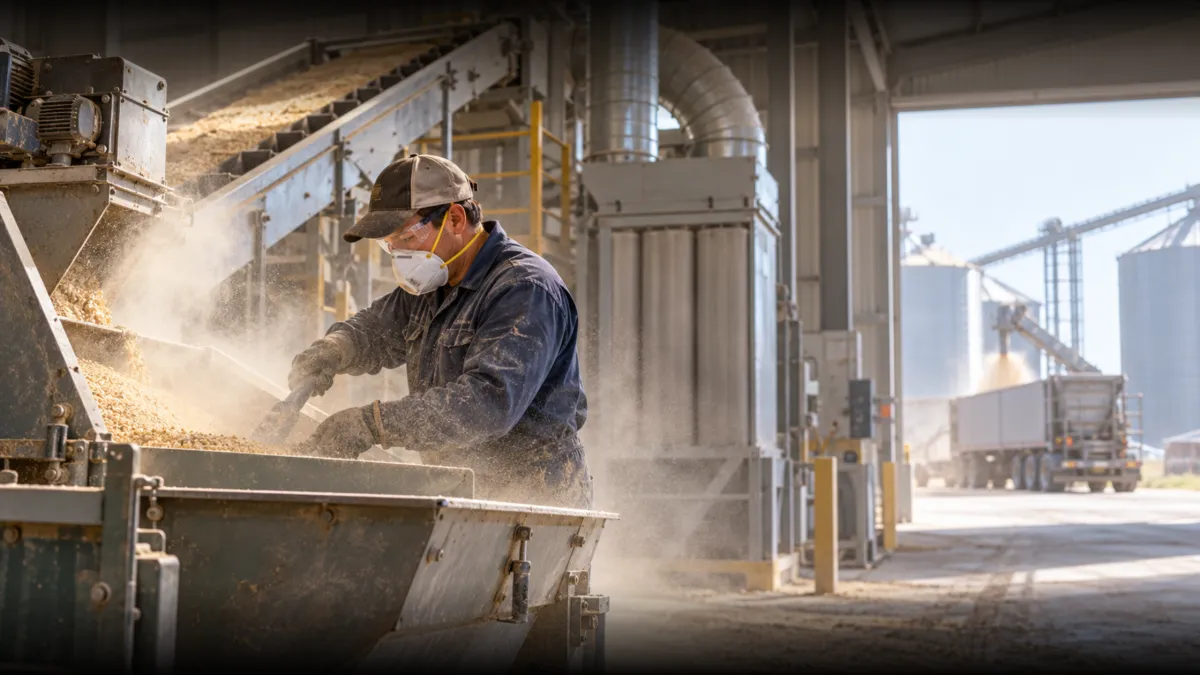
1 December Is Too Late to Start Thinking About Airborne Exposure
Australia’s new Workplace Exposure Limits take effect from 1 December 2026. Learn what workplaces should review now, from airborne contaminants and air monitoring to diesel emissions, control effectiveness and exposure risks.

Safe Work Month Should Change Something
National Safe Work Month should lead to more than awareness. Use October to verify controls, close overdue actions, redesign recurring risk and make practical WHS improvements that still protect people after the campaign ends.
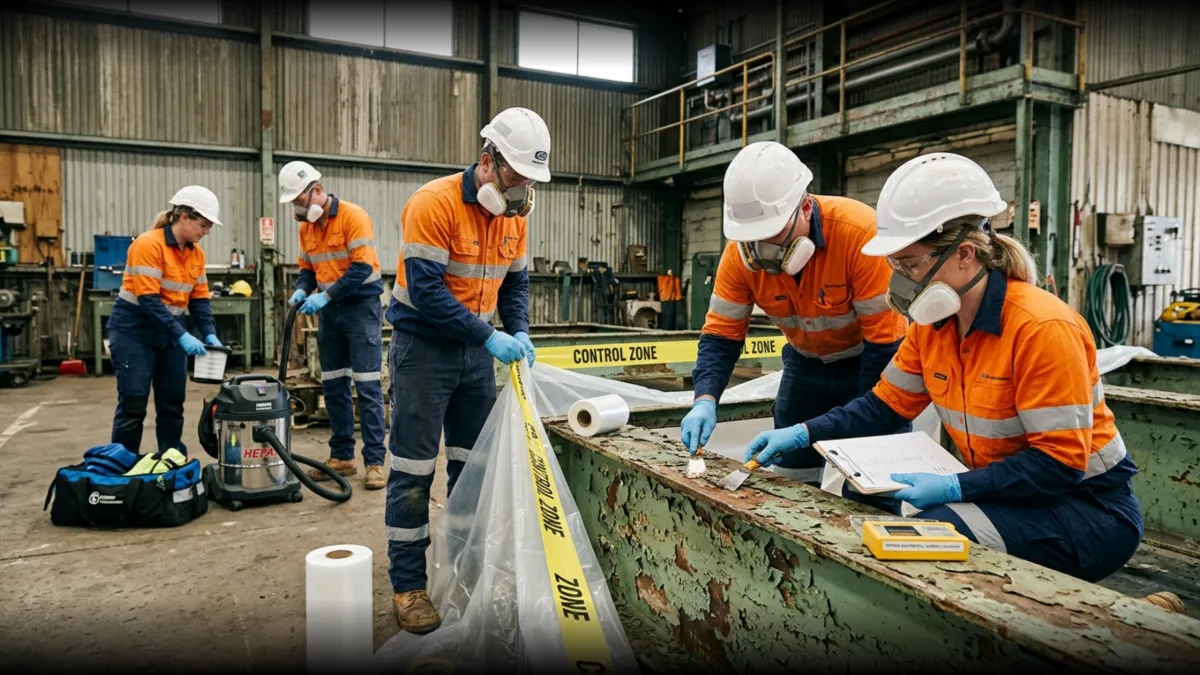
Lead Exposure at Work Is Not Just an Old Paint Problem
Lead exposure is not just an old paint issue. Learn where lead risks still appear at work and why controls, hygiene, and health monitoring matter before exposure happens.

At Synergy Safety Solutions, we understand that ensuring the safety and well-being of your employees is of the utmost importance.
FOLLOW US



NEWSLETTER
At Synergy Safety Solutions, we understand that ensuring the safety and well-being of your employees is of the utmost importance.
ABN: 11 672184833
NEWSLETTER