

Blog
SAFETY IN PRACTICE

Safe Work Month Should Change Something
National Safe Work Month should lead to more than awareness. Use October to verify controls, close overdue actions, redesign recurring risk and make practical WHS improvements that still protect people after the campaign ends.


When Dementia Touches Work, Support Needs to Be Practical
Dementia can affect workers directly or through caring responsibilities. Learn how practical adjustments, fatigue management, confidentiality and individual risk planning can help workplaces provide respectful, workable support.
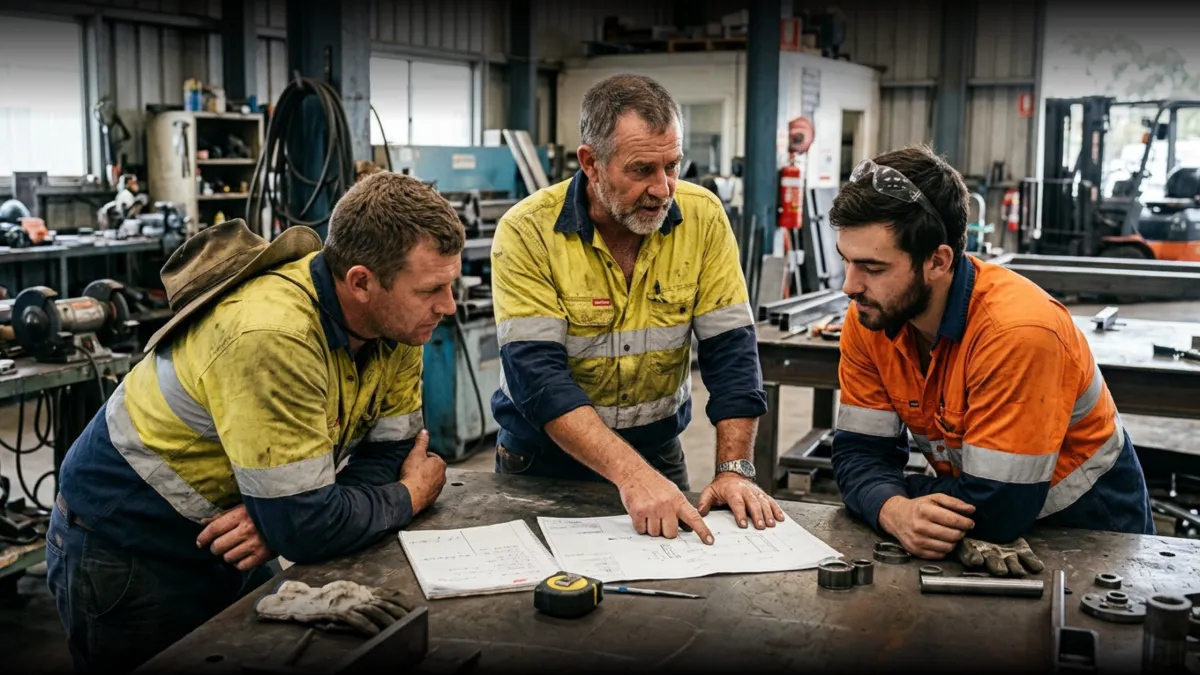
The Risk Warning Might Already Be in the Conversation
Everyday safety conversations can reveal risks before they become incidents. Learn how better questions, listening, consultation and follow-through help leaders turn worker concerns into practical WHS action.
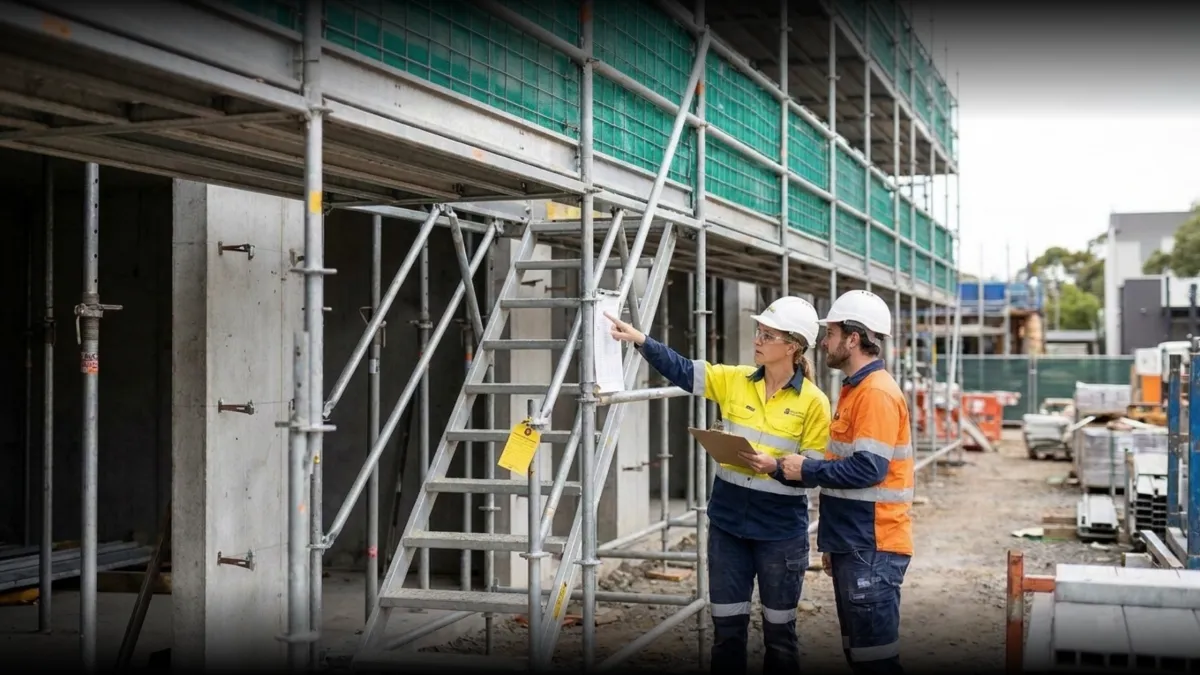
A Scaffold Is Not Safe Just Because It Is Standing
A scaffold can look complete and still carry serious fall risks. Learn why safe scaffold use depends on competent erection, clear handover, physical inspection, controlled changes, supervision and worker confidence to stop before stepping on.
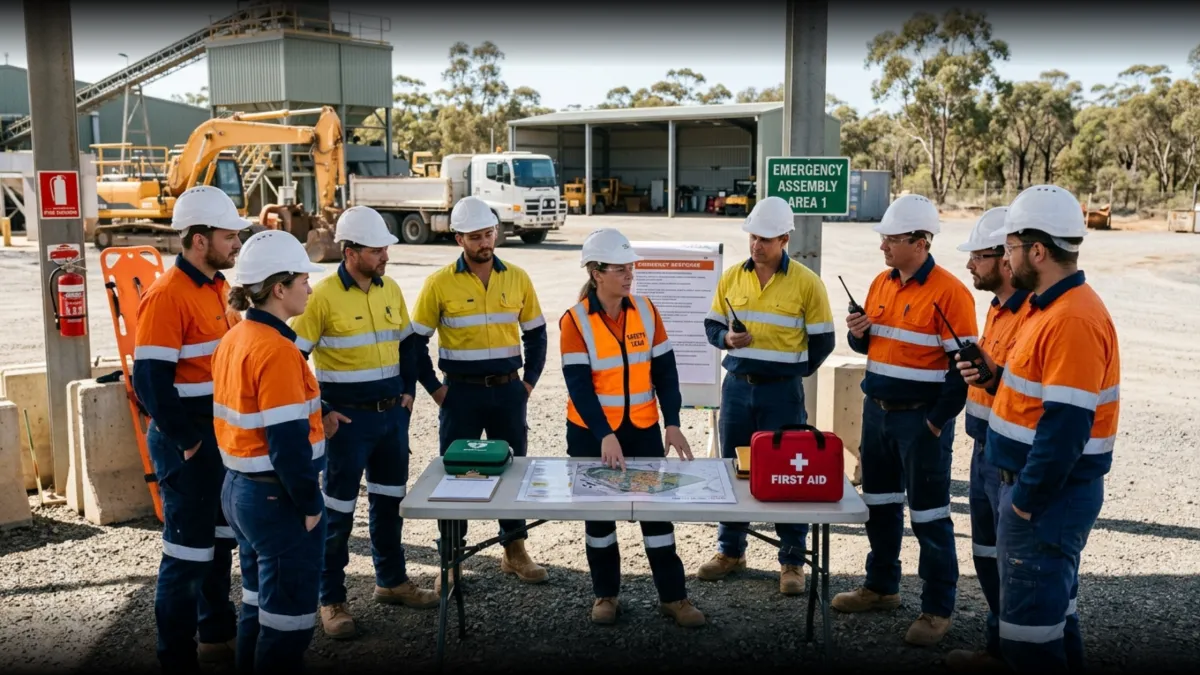
Emergency Plans Need Practice, Not Just Paperwork
Emergency plans only work when people know how to use them. Learn why realistic drills, clear roles, communication, debriefs and practical response testing matter.
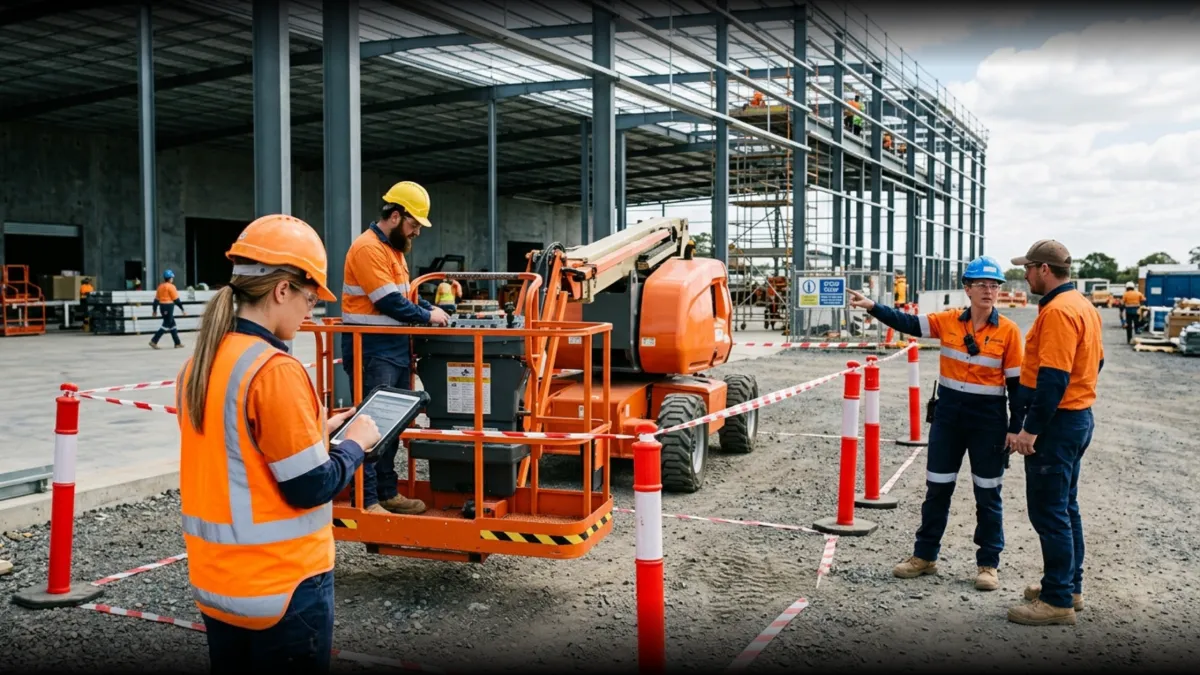
A Training Card Is Not the Same as Site-Ready Competency
A training card matters, but it does not prove site-ready competency. Learn why plant safety depends on equipment, conditions, supervision and practical verification.

At Synergy Safety Solutions, we understand that ensuring the safety and well-being of your employees is of the utmost importance.
FOLLOW US



NEWSLETTER
At Synergy Safety Solutions, we understand that ensuring the safety and well-being of your employees is of the utmost importance.
ABN: 11 672184833
FOLLOW US
NEWSLETTER