



Lone Worker Safety: Why Response Systems Matter
The Alert Is Only the First Step
There are plenty of ways for a lone worker to raise the alarm.
Phones.
Radios.
Duress buttons.
Check-in apps.
Vehicle tracking.
Wearable devices.
Many businesses already have some form of alert system in place.
That is a good start.
But it is not the whole system.
The real question is not just: “Can the worker send an alert?”
The better question is: “What happens after that alert is sent?”
Because if an alert is missed, ignored, delayed, or sent to someone who is unsure what to do, the system has already failed at the point where it matters most.
Lone worker safety is not just about detection. It is about response.
Lone Work Shows Up in More Places Than People Realise
When people hear “lone worker,” they often picture someone working in a remote location far from help.
That can be true.
But lone work can also happen in ordinary, everyday situations.
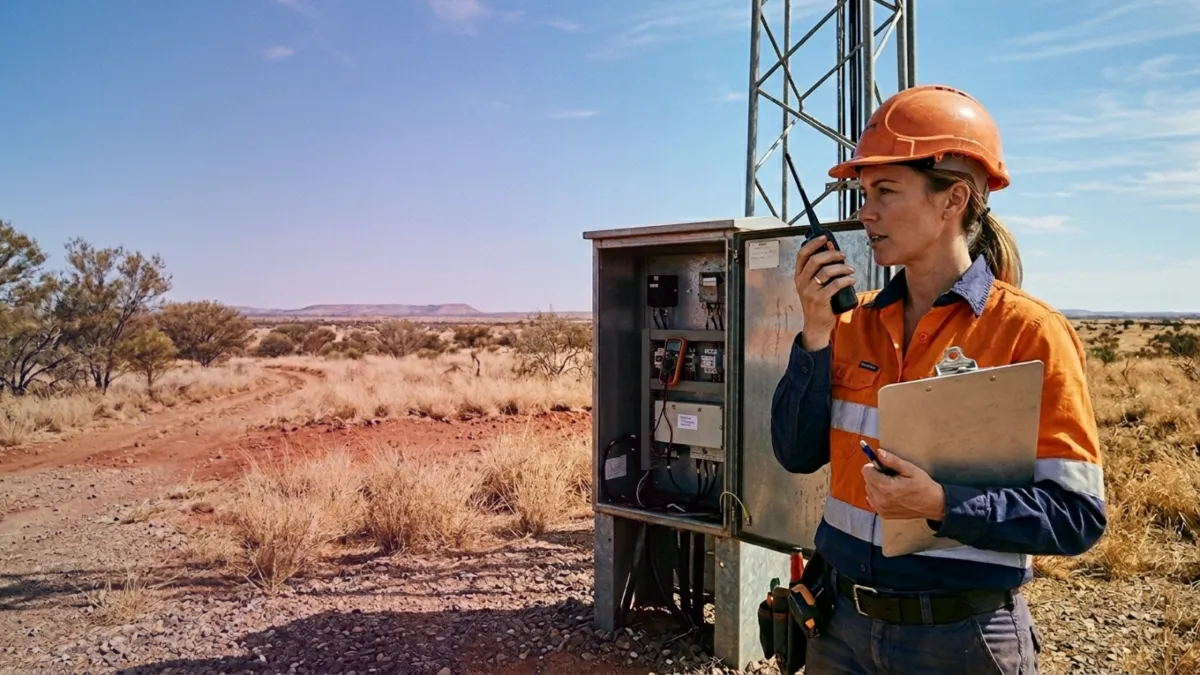
In agriculture, it might be someone checking water points, fences, machinery, or livestock across a large property.
In transport and logistics, it might be a driver working alone for long periods.
In utilities and field services, it might be a technician attending a job by themselves.
In construction, it might be a supervisor opening a site early, a tradesperson finishing a task after others have left, or a worker inspecting an area where no one else is nearby.
In small businesses, it might be one person closing up, working after hours, or travelling between jobs without direct support.
Different industries.
Same core risk.
A person is working away from immediate help, and the business needs to know how that risk is being managed.
The Gap Between “We Have a System” and “The System Works”
A lot of businesses can point to a system.
They might have an app, a call-in process, a check-in schedule, or a rule that workers need to let someone know where they are.
The issue is that many of these systems rely heavily on people remembering to do the right thing at the right time.
That might work on a normal day.
It may not work under pressure.
A missed check-in might sit unnoticed.
A duress alert might go to a busy manager.
A message might be sent but not acknowledged.
A worker might assume someone is monitoring them when no one actually is.
This is where lone worker risk becomes more than a communication issue.
It becomes a system issue.
The weakest part is often not the device.
It is the response chain behind it.
Technology Can Help, But It Cannot Carry the Whole System
Technology has a useful role to play in lone worker safety.
It can make alerts faster.
It can improve visibility.
It can help record check-ins.
It can trigger escalation steps.
It can support communication when people are spread across different locations.
But technology does not remove the need for clear roles, practical procedures, and human accountability.
If the response process is unclear, technology will not fix it.
It may just make the confusion happen faster.
If no one knows who is responsible for responding, an alert can still be missed.
If the escalation process is not tested, the business may only discover the gap during a real incident.
If workers do not trust the system, they may bypass it.
The tool matters.
But the process behind the tool matters more.
What "Better" Looks Like in Practice
A strong lone worker system does not need to be complicated.
But it does need to be clear.
At minimum, the business should know:
how a worker checks in
how an alert is raised
who receives the alert
how quickly someone must respond
what happens if the first person does not respond
when emergency services are contacted
how the outcome is recorded
how the process is tested and reviewed
This creates a practical chain from concern to action.
That chain is what matters.
Not just because it looks better on paper, but because it helps people act quickly when time matters.
Manual Systems Need Extra Attention
Not every business needs a complex technology platform.
For some smaller workplaces, a simple call-in process or check-in schedule may be appropriate.
But manual systems need extra discipline.
If your system depends on someone remembering to check a text message, answer a phone, or look at a spreadsheet, then the business needs to be honest about the risk.
What happens when that person is busy?
What happens when they are on leave?
What happens when reception is unattended?
What happens when the worker forgets to check in?
What happens when mobile reception drops out?
These are not minor details.
They are the parts of the system that decide whether help arrives quickly or not.
What This Means For You
If you have people working alone, remotely, after hours, across multiple sites, or away from direct supervision, it is worth reviewing your current process.
Do not start with the device.
Start with the scenario.
Picture a worker who misses a check-in.
Then ask:
Who notices?
How quickly?
What do they do?
Who do they call?
What if they cannot reach the worker?
What if the first responder in your internal process is unavailable?
How is the outcome recorded?
If you cannot clearly answer those questions, the system may not be as strong as it looks.
This is not about creating unnecessary paperwork.
It is about making sure the process works when someone needs help.
Practical Actions You Can Take
Start with the work that is already happening in your business.
Identify who works alone, remotely, after hours, or away from direct supervision
Map your current alert-to-response process step by step
Check where the process relies on manual follow-up or memory
Define who receives alerts and who acts if that person is unavailable
Set clear escalation steps for missed check-ins or duress alerts
Test the process with realistic scenarios, not just assumptions
Review whether workers understand and trust the system
These actions are practical.
They do not require you to overcomplicate the system.
They simply help you see whether your current approach would hold up under pressure.
The Goal Is Not More Data
A lot of businesses already collect enough information.
They know who is working.
They know where jobs are scheduled.
They may even have check-ins, tracking, or alert tools in place.
The problem is not always a lack of data.
The problem is whether that information leads to action.
For lone workers, response time matters.
Clarity matters.
Escalation matters.
Accountability matters.
A good system helps people move from “something might be wrong” to “someone is taking action” without confusion.
That is the difference between having a safety tool and having a safety system.
The Bottom Line
Lone worker safety is not just about the alert.
It is about the response behind it.
A phone, app, radio, or device can help raise the alarm, but it cannot replace a clear process.
It cannot decide who is responsible.
It cannot make people act if the escalation steps are unclear.
And it cannot fix a system that has never been tested.
Whether your workers are on a construction site, a farm, the road, a client property, a warehouse, or a remote job, the same question applies:
If something goes wrong, what happens next?
If you want a practical review of your lone worker risks and how your current system stacks up, get in touch with Synergy Safety Solutions