



AI Can’t Think for You: What That Means for Safety on Site
AI tools are starting to show up in how people on construction sites look for answers.
Type in a question about plant guarding, silica controls, or mental health obligations and you’ll get a neat, confident response in seconds.
It sounds balanced.
It reads well.
It feels “about right”.
But that’s where the risk starts.
AI doesn’t understand your site.
It doesn’t know your crew.
And it doesn’t carry your WHS duties.
AI can summarise, imitate tone and pull themes together but it cannot interpret intent, context, or apply judgement the way a competent person can.
And that gap matters when we’re talking about safety.
AI Is a Tool. Not a Decision-Maker.
AI tools scan patterns, keywords and common phrases across large volumes of information, then generate a response based on what is statistically likely to answer the question.
That means:
It blends viewpoints
It smooths out disagreement
It sometimes fills gaps with assumptions
For general knowledge, that might be fine.
On a construction site, it is not.
Because safety decisions aren’t based on what is commonly said, they are based on what is reasonably practicable in your specific circumstances.
AI can give you a starting point, but it cannot assess your excavation conditions, your crane setup, or your traffic management risks.
The Comfort Trap
The real risk with AI isn’t that it’s wrong.
It’s that it sounds right.
When something reads as clear and balanced, people are more likely to accept it without questioning it. On site, that can lead to:
Using a generic SWMS template without checking actual hazards
Following broad advice that doesn’t reflect high-risk construction work
Assuming “industry standard” automatically means compliant
WHS laws don’t ask what the internet thinks is reasonable.
They look at what you knew, or ought reasonably to have known, and what you did about it.
That requires human judgement.
What This Means on Site
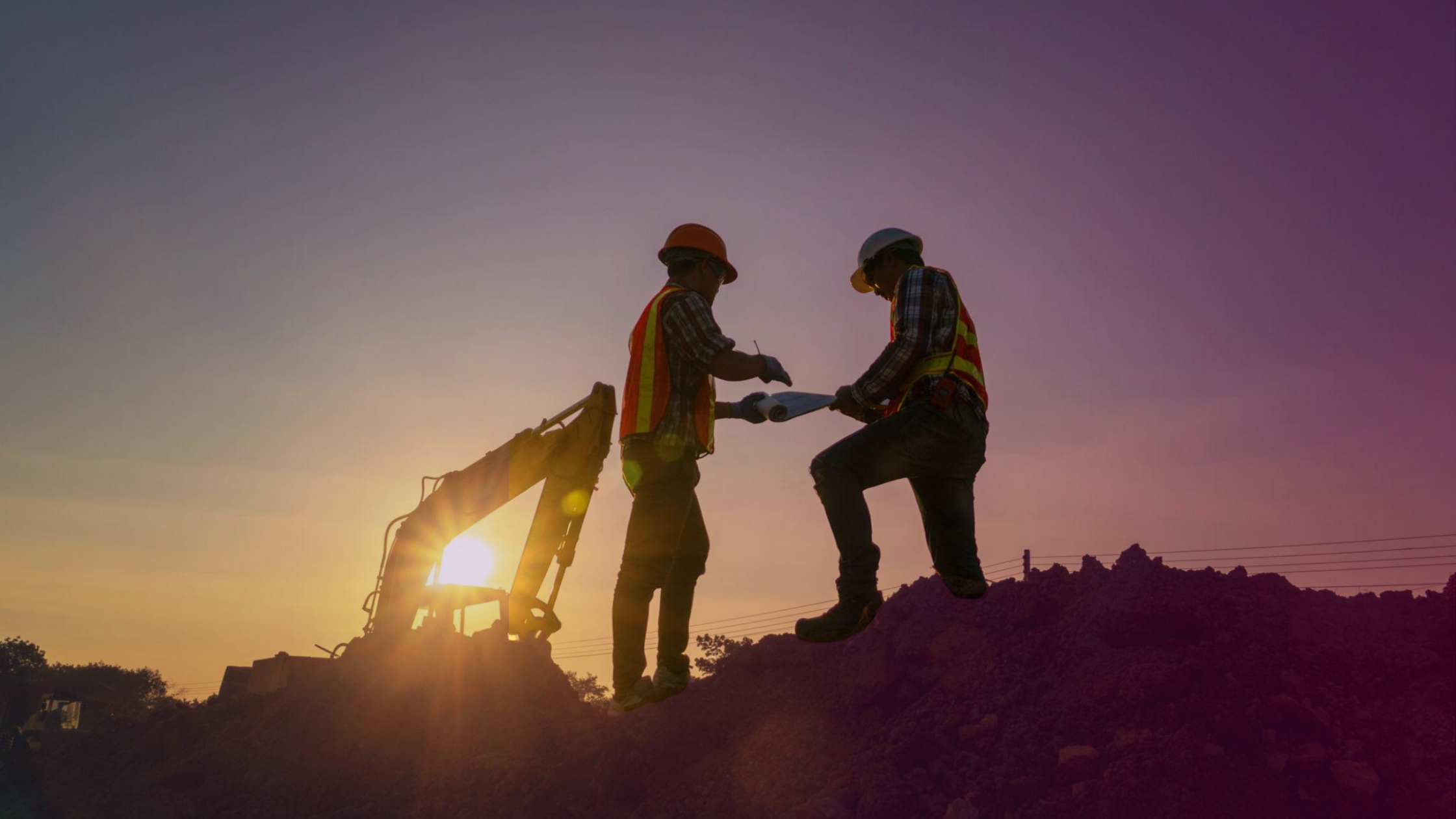
On construction projects, this isn’t theoretical.
If AI becomes part of how supervisors, safety advisors or project managers source information, you need clear guardrails.
That means:
Treat AI output as a draft, not a final answer
Verify advice against actual site conditions
Cross-check information against recognised guidance
Ensure a competent person reviews anything affecting high-risk work
Never copy and paste AI-generated procedures straight into company documents without review
A chatbot doesn’t walk the job.
Your leading hand does.
The Real Risk: Outsourcing Judgement
Construction already deals with template fatigue: generic risk assessments, recycled SWMS, and copied toolbox talks.
AI can accelerate that problem if it’s used without oversight.
If a supervisor asks AI how to manage a confined space and gets a tidy checklist, it might look complete.
But it won’t:
Detect poor ventilation behind that tank
Notice weather changes affecting conditions
Understand the experience level of the worker entering
Those things come from supervision, consultation, and experience.
That’s where your risk management actually lives.
The broader system pressures that influence how decisions are made on site are often shaped well before work begins, as explored in Lessons from Australia’s Beautiful and Broken Mining Country – What It Means for Construction.
AI and WHS Duties
Under WHS laws, duty holders must identify hazards, assess risks, and implement controls so far as reasonably practicable.
That assessment considers:
The likelihood of the hazard
The severity of harm
What is known about the hazard
The availability and suitability of controls
AI can list common hazards.
It cannot weigh them in your specific context.
If something goes wrong, “the chatbot suggested it” won’t carry much weight.
A Simple Action Checklist
If your business is using, or considering using, AI tools in safety processes, start here:
Develop a clear policy on acceptable AI use in safety-related tasks
Require competent review of any AI-generated content
Prohibit direct copy-paste of AI-generated SWMS or procedures without site-specific adjustment
Train supervisors to critically assess AI responses
Reinforce consultation with workers before implementing controls
Document how decisions were made, especially for high-risk work
Many of these decisions are influenced by how performance is measured and prioritised across a project, something explored further in Evolution of WHS Performance Metrics.
AI can assist with drafting and brainstorming.
But the final call and the responsibility stays with people.
Keep the Human in Safety
Construction safety has always relied on experience, judgement, and communication.
Technology should support that, not replace it.
If AI saves time on admin, that’s useful.
If it starts shaping safety decisions without proper oversight, that’s where you need to step in.
Because safety is about real people doing real work in real conditions.
And no algorithm is walking that site with you.
Understanding how systems influence behaviour, from workload design to decision-making, is critical to maintaining safe outcomes, as discussed in our “Burnout Isn’t Just Personal. It’s a Work Design Issue.” article.
Want to make sure your systems keep people, not shortcuts, in control?