




Your Roster Software Could Be a WHS Hazard - Here's Why
Digital Work Systems Are Now a WHS Risk, Are You Across It?
Many businesses now rely on automated scheduling, digital monitoring and performance tracking tools to run day-to-day operations.
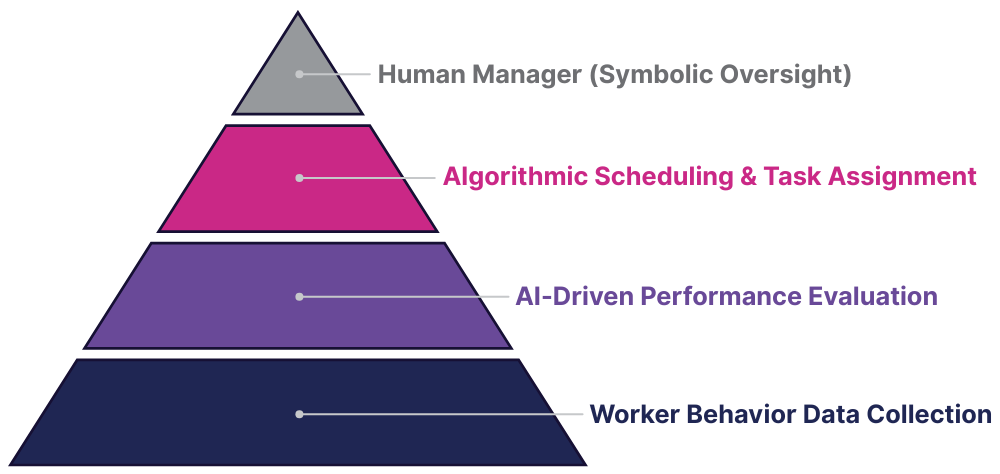
Figure 1: The Algorithmic Work Stack
Rosters are generated by software, tasks are allocated by systems, and performance is measured by dashboards rather than supervisors on the ground.
What’s changing is how regulators and the law view these systems. They are no longer just “HR tech” or productivity tools. Increasingly, they are being treated as part of the work environment, which means they can create work health and safety risks if they are poorly designed, poorly managed or left unchecked.
This matters because unreasonable workloads, constant monitoring, and a lack of worker control are now recognised as psychosocial hazards.
Why This Is on Regulators’ Radar
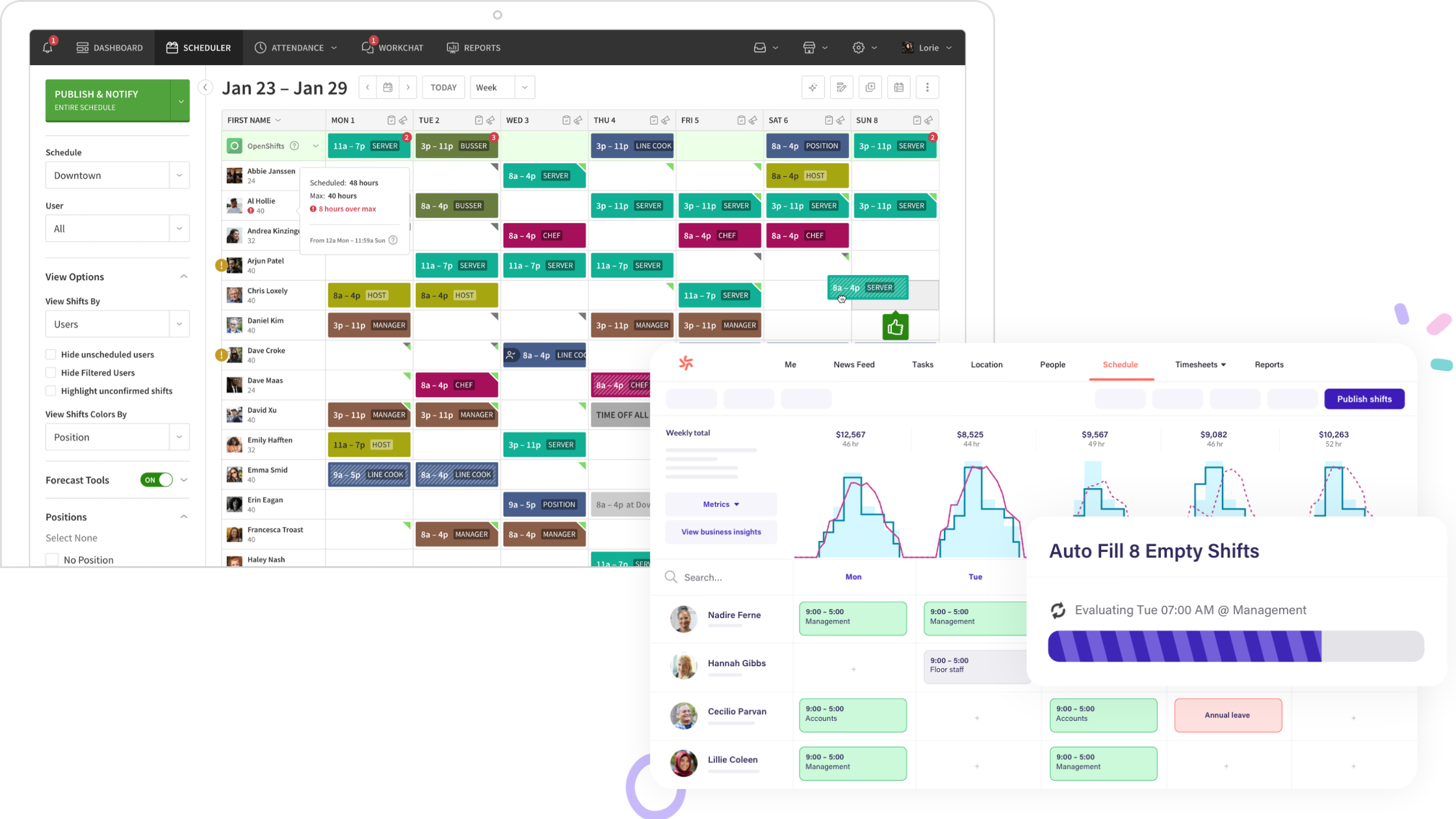
Figure 2: Digital Auto-Schedulers
Legal commentary and proposed reforms in Australia are drawing a clear line between digital systems and WHS duties. In particular, the proposed Work Health and Safety Amendment (Digital Work Systems) Bill 2025 in New South Wales is signaling what is coming nationally.
The intent is simple.
If a digital system contributes to excessive hours, unrealistic performance expectations, intrusive surveillance or stress, then it must be treated like any other workplace hazard. It must be identified, assessed and controlled.
This aligns directly with existing duties under the WHS Act to provide a work environment that is safe and without risks to health, including psychological health.
In practical terms, if an algorithm is setting the pace of work, allocating shifts or triggering performance actions, it cannot be left to run unchecked.
Where Businesses Are Exposed
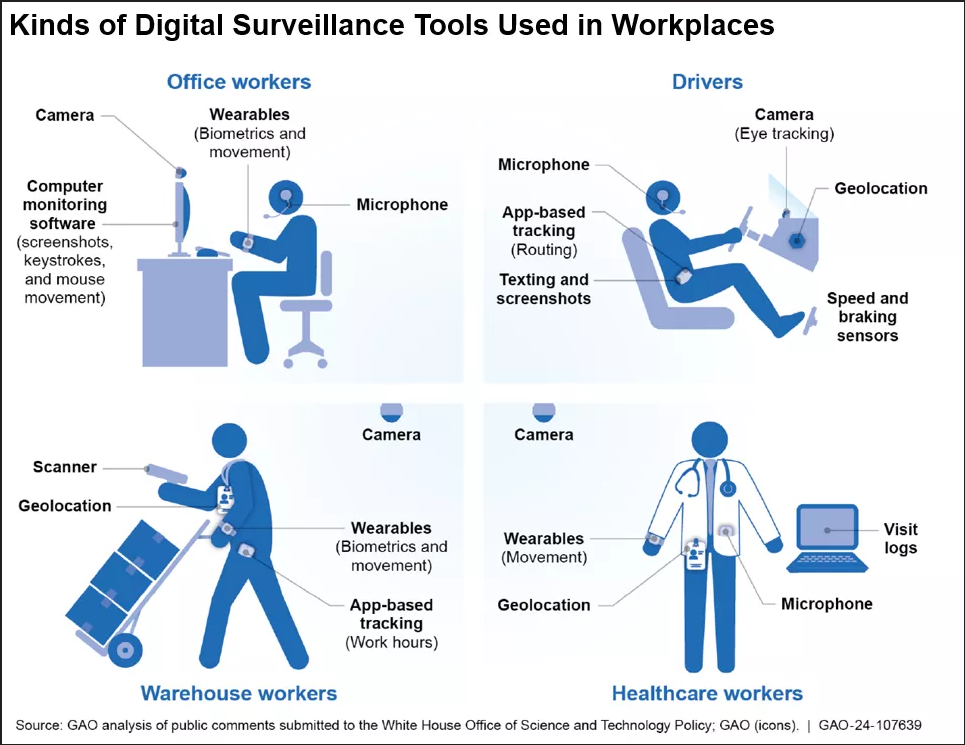
Figure 3: Kinds of Digital Surveillance Tools Used in Workplaces (source on image)
The risk is rarely the software itself. The risk sits in how it is used.
Common exposure points include:
Automated rosters that ignore fatigue, recovery time or peak workload periods
Systems that reward output without regard to safe work limits
Performance monitoring that is constant, opaque or punitive
No clear process for workers to challenge or escalate system driven decisions
Managers relying on “the system says so” instead of applying human judgement
From a WHS perspective, these are no different to unsafe production targets or unrealistic deadlines set manually.
Three Questions Every Business Should Be Asking Right Now
If you work with a client or run a business that uses automated scheduling or digital performance systems, these three questions will quickly surface whether there is WHS exposure.
Overrides and safe limits
When the system generates a roster or task list that conflicts with fatigue limits, rest breaks or known safety constraints, who can override it and how often does that happen?
If the answer is “we don’t really override it”, that’s a red flag.
Human review before decisions land
Is there a documented process where a person reviews and applies judgement to algorithm driven schedules, alerts or performance actions before they become final?
If safety critical decisions are fully automated, the business is exposed.
Escalation when it’s not working
If workers say the system is creating unsafe pressure, excessive monitoring or stress, what is the formal escalation path and how quickly are issues assessed and fixed?
If there is no clear pathway, the hazard is unmanaged.
What Good Looks Like
You do not need to scrap digital systems to manage this risk. You need governance.
Good practice looks like:
Clear parameters set around maximum hours, breaks and workload
Human oversight built into scheduling and performance decisions
Consultation with workers about how systems affect their work
Regular review of psychosocial risks linked to digital tools
Documented escalation and review processes when systems cause harm
This is simply WHS risk management applied to modern tools.
The Bottom Line
Digital work systems are now part of your workplace. If they influence how people work, how hard they work or how they are monitored, they fall squarely within WHS duties.
Ignoring that reality will not hold up if a regulator comes knocking or a worker makes a claim.
If you are unsure whether your systems create risk, ask the questions now and fix the gaps before they become incidents.
If you want help assessing this properly, that’s a conversation worth having.